Homemade Pizza Sauce with Fresh Tomatoes: The Complete Guide
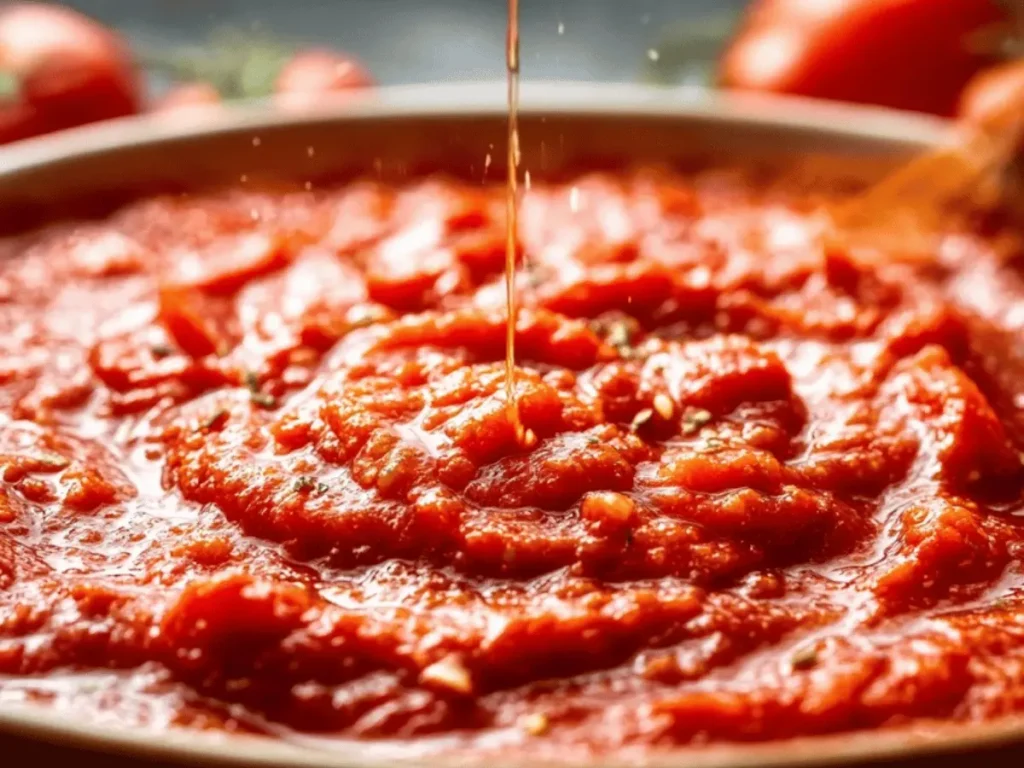
There’s a specific moment in late summer when I walk into my kitchen and know without checking the calendar that it’s pizza sauce season. The tomatoes from the market smell so intensely of themselves – that green-stem, sun-warmed fragrance – that using them for anything else feels almost wasteful. I learned this the hard way after years of reaching for canned tomatoes out of habit, assuming they were somehow “better” for pizza. They’re not. At least not when you’ve got access to the real thing.
Why Fresh Tomatoes Change Everything
The first time I made pizza sauce with fresh tomatoes instead of canned, I used a recipe from a pizzaiolo I’d met in Naples. He looked genuinely confused when I asked about his sauce recipe. “Tomatoes,” he said, shrugging. “Maybe some salt.” I thought he was holding back the secret, but he wasn’t. When your tomatoes are right, they don’t need much company.
Fresh tomatoes bring a brightness that canned versions can’t match – even the expensive San Marzano imports. There’s a living quality to the acidity, a complexity in the sweetness, and texture that stays just slightly chunky even after cooking. The sauce tastes like August, if that makes sense. And the color. That sunset-red color you get from vine-ripened tomatoes can’t be replicated.
The catch, and it’s a significant one, is timing. Fresh tomato pizza sauce is a seasonal luxury in most climates. You want tomatoes at their absolute peak – the kind that would be almost too soft to slice for a sandwich. In the Northeast where I learned to cook, that means late July through September. In California, the window stretches longer. Outside these periods, good canned San Marzanos will serve you better than mediocre fresh tomatoes, and there’s no shame in admitting it.
Choosing the Right Fresh Tomatoes for Pizza Sauce
Not all tomatoes make good sauce, and this is something I had to learn through some disappointing pizzas. That gorgeous heirloom beefsteak that costs $7 at the farmers market? Probably not your best choice. Too much water, too little acidity, and when you cook them down, you lose those subtle flavors that make them special for slicing.
For pizza sauce, you want paste tomatoes – varieties bred specifically for cooking. Roma tomatoes are the easiest to find and work beautifully. San Marzano (if you can find them fresh, not canned) are the gold standard. I’ve also had excellent results with Amish Paste, Opalka, and even humble plum tomatoes.
The markers of a good sauce tomato: firm when you press gently, deep red color with no green shoulders, heavy for their size (that means less water, more flesh), and that characteristic oval shape. They should smell like tomato plants – almost grassy and green beneath the fruit sweetness. If they smell like nothing, they’ll taste like nothing.
Here’s something nobody told me for years: slightly overripe is actually perfect for sauce. Those tomatoes that are just starting to soften, that you’d hesitate to serve in a salad? They’ve converted more of their starches to sugars and will give you a richer, sweeter sauce. I used to throw these away until a produce manager at my local Italian market set me straight.
The Essential Recipe: Classic Fresh Tomato Pizza Sauce
After making this probably five hundred times, I’ve landed on a method that honors those tomatoes without overcomplicating things. This makes enough sauce for 4-6 pizzas, depending on how heavily you sauce them.
What You’ll Need:
- 3 pounds ripe paste tomatoes (Roma, San Marzano, or similar)
- 3 tablespoons extra-virgin olive oil (use the good stuff)
- 4 garlic cloves, minced
- 1 teaspoon fine sea salt (more to taste)
- 6-8 fresh basil leaves
- ½ teaspoon dried oregano (optional, but I usually include it)
- Pinch of red pepper flakes (optional)
- 1 teaspoon sugar (only if your tomatoes are particularly acidic)
The Process:
Start by bringing a large pot of water to boil. While that’s heating, prepare an ice bath – just a big bowl of ice water. Score a small X on the bottom of each tomato with a sharp knife. This isn’t just ceremony; it makes peeling them exponentially easier.
Drop your tomatoes into the boiling water for 30-45 seconds. You’ll see the skins start to wrinkle and pull away from the flesh. Using a slotted spoon, transfer them immediately to the ice bath. The skins should slip off easily now. If they don’t, you didn’t blanch them long enough – but honestly, leaving some skin on isn’t a tragedy. I’ve made plenty of rustic sauces with skin included.
Once peeled, cut the tomatoes in half lengthwise and use your fingers or a small spoon to scoop out the seed cavities. Some people skip this step, but those seeds carry bitter compounds and excess water. I squeeze each half gently over the sink to remove the liquid and seeds. Yes, it’s a bit messy. Yes, it’s worth it.
Roughly chop your tomatoes. The size doesn’t matter much since you’ll be breaking them down further, but aim for chunks around an inch.
In a large, heavy-bottomed pan (I use my old stainless steel skillet for this), heat your olive oil over medium heat. Add the minced garlic and cook for maybe 30 seconds – just until it’s fragrant but before it takes on any color. Burned garlic is bitter and it will ruin your sauce. This happened to me during a dinner party once and I still remember the panic.
Add your chopped tomatoes, salt, oregano, and red pepper flakes if using. The mixture will look too chunky. That’s fine. Tear your basil leaves roughly and add them to the pot.
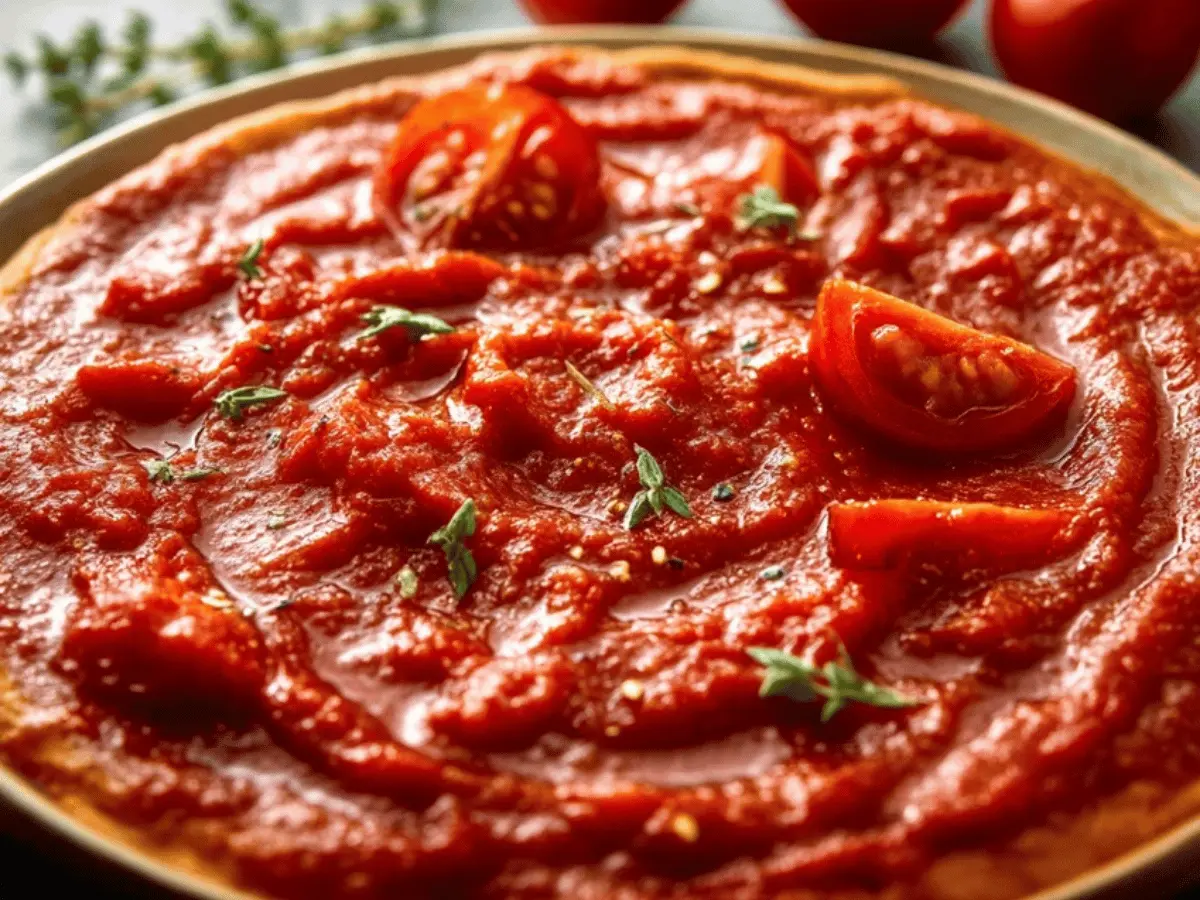
Bring everything to a lively simmer, then reduce heat to medium-low. Here’s where patience matters. Let this cook for 25-35 minutes, stirring every few minutes. You’ll watch the tomatoes break down, the liquid reduce, and the color deepen from bright red to a rich, darker red.
I use the back of a wooden spoon to break up larger tomato pieces as they soften. Some people use an immersion blender for a perfectly smooth sauce, but I prefer mine with some texture. Pizza sauce isn’t marinara – it should have body and presence.
Taste after 25 minutes. If there’s a sharp, acidic bite that makes you wince slightly, add the sugar. Not all tomatoes need it. Adjust salt as necessary. The sauce should taste slightly more intense than you’d want to eat on its own, because it’s going to be balanced by cheese and crust.
Let the sauce cool completely before using it on pizza. This is important. Hot sauce on raw dough creates steam that can make your crust soggy.
The Variations I’ve Come to Love
The basic recipe above is my foundation, but depending on the pizza I’m making, I’ll adjust. For a classic Margherita, I keep it exactly as written – just tomatoes, garlic, basil, and salt, letting the San Marzanos I sourced from Tony’s farm stand do the talking.
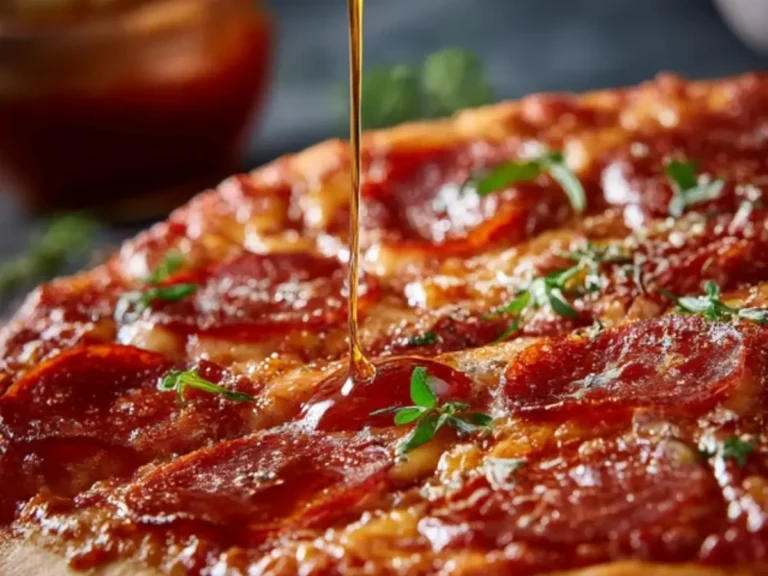
For a more robust sauce that can stand up to heavy toppings, I’ll add a tablespoon of tomato paste at the beginning with the garlic. This deepens the flavor and adds umami. I picked up this trick from a pizza maker in Brooklyn who swore it was the secret to sauce that could compete with spicy sausage and pepperoni.
Sometimes I’ll include a small sprig of fresh thyme along with the basil, especially if I’m making a white wine pizza or something with mushrooms. The earthy note complements both beautifully.
A splash of red wine – maybe ¼ cup – added right after the tomatoes can add complexity, though you need to let it cook down fully. I learned this from a Tuscan cook who put wine in everything, including her coffee I think.
For a lighter, fresher sauce that works well on summer pizzas with vegetables, I’ll cook the sauce for only 15 minutes, leaving it chunkier and brighter. Then I’ll stir in some fresh tomato at the end – just diced raw tomato that adds brightness.
The Technical Details That Matter
Over the years, I’ve learned that success with fresh tomato sauce comes down to understanding a few key principles. The ratio of tomato solids to liquid is crucial. You want your sauce thick enough that it doesn’t make your pizza soggy, but not so thick it’s like spreading tomato paste.
The sweet spot is when you can draw a line through the sauce with your spoon and it holds for a second before slowly filling back in. If it’s too liquid, keep cooking. If it’s too thick, you probably cooked it too long or too hot – add a splash of water to adjust.
Acidity balance is the other major factor. Fresh tomatoes vary wildly in their acid levels depending on variety, growing conditions, and ripeness. Taste as you go. The sauce should have brightness without making you pucker.
Some varieties I’ve worked with, like Cherokee Purple, are naturally lower in acid and almost always need a squeeze of lemon juice at the end. Others, like some Roma varieties in particularly rainy years, can be quite sharp and benefit from that pinch of sugar.
Temperature control matters more than most home cooks realize. A hard boil will give you a sauce that tastes cooked and flat. A bare simmer takes too long and doesn’t concentrate flavors properly. You want steady, gentle bubbling – active enough to reduce the liquid but gentle enough to preserve the fresh tomato character.
Raw vs. Cooked: The Great Pizza Sauce Debate
Here’s where I’ll probably lose some people, but I need to mention it. Some Neapolitan purists use completely raw sauce – just crushed fresh tomatoes with salt. No cooking at all. I’ve done this, and in a 900°F wood-fired oven with a 90-second cook time, it works. The tomatoes cook on the pizza.
In a home oven, even at its highest setting, raw sauce tends to make things watery. The tomatoes release their liquid but don’t have time to concentrate. I’ve had better luck with a quick-cooked sauce – maybe 10-15 minutes – that maintains freshness while removing excess moisture.
There’s also a middle ground I sometimes use: I’ll cook most of the sauce as described, but reserve a handful of raw, diced tomatoes to stir in at the end. This gives you the concentrated flavor of cooked tomato with bursts of fresh tomato brightness. It’s particularly good on white pizzas with ricotta or on pies where you’re using the tomato as an accent rather than the base.
Storage and Preservation
Fresh tomato pizza sauce keeps in the refrigerator for about five days, maybe a week if you’re not picky. I store mine in glass jars with tight lids. The flavor actually improves over the first day or two as everything melds together.
For longer storage, this sauce freezes beautifully. I portion it into containers that hold exactly enough for two pizzas – usually about a cup and a half. Frozen, it’ll keep for six months easily. Some people say a year, but I find the bright, fresh quality starts to fade after about six months.
One trick I learned from a chef who ran a seasonal restaurant: freeze your sauce in ice cube trays first, then pop the cubes into freezer bags. This way you can defrost exactly the amount you need. Each cube is roughly two tablespoons – perfect for a single personal pizza.
If you’re ambitious and have a huge tomato harvest, you can water-bath can this sauce for shelf stability. I did this for three years running when I had a garden, and those jars of summer in the middle of February were almost emotional to open. You’ll need to follow proper canning procedures, of course, and add lemon juice to ensure safe acidity levels.
Common Mistakes (I’ve Made Most of Them)
Using underripe tomatoes because they were on sale. The sauce was pale, acidic, and no amount of sugar fixed it. Ripe tomatoes aren’t negotiable.
Not cooking the sauce enough. Watery sauce equals soggy pizza. I’ve learned to be patient with that simmer.
Burning the garlic by adding it to hot oil. This happened more times than I’d like to admit early on. Now I add the garlic to cool or barely warm oil and heat them together, or I add it after the oil has cooled slightly from its initial heating.
Over-blending the sauce. Completely smooth sauce spreads easily but lacks character. A little texture is good.
Forgetting to taste and adjust. Every batch of tomatoes is different. What worked last week might need more salt, less oregano, or a different cook time this week.
Why This Still Matters
In an era when you can buy decent pizza sauce for $3 at any grocery store, making your own from fresh tomatoes is arguably unnecessary. But there’s something about the process that connects you to the food in a way that twisting open a jar doesn’t.
When I make this sauce in late summer, usually in large batches with tomatoes from the farmers market or from friends with prolific gardens, I’m participating in something humans have done for generations. Putting up the harvest. Capturing a season in a jar.
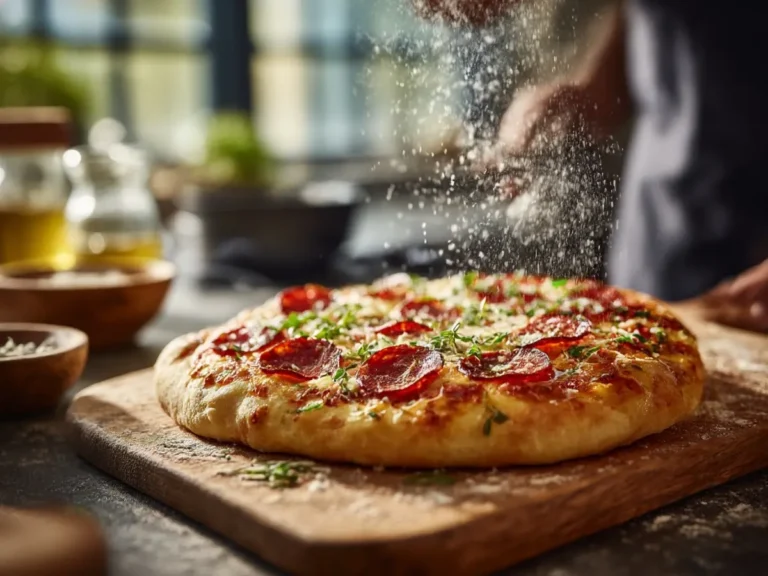
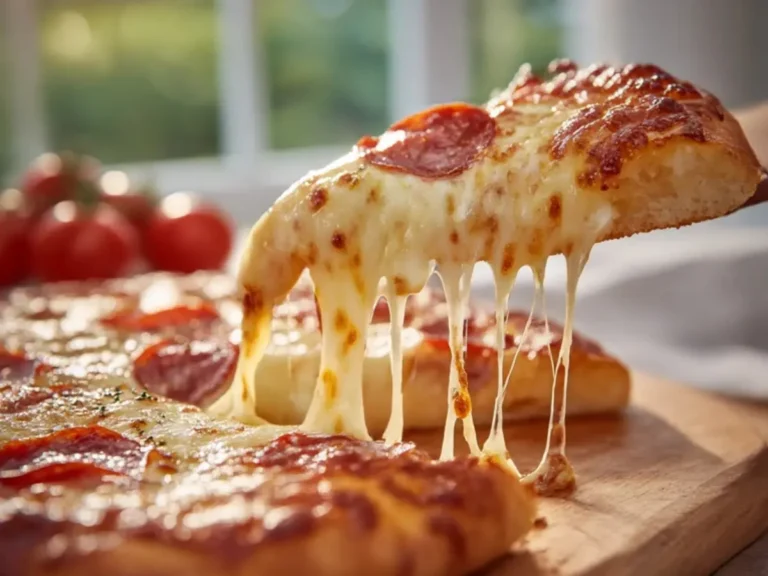
And honestly? When you pull a pizza from your oven – crust spotted and puffy, cheese bubbling, and underneath it all, that sauce you made with your own hands from tomatoes you selected at their peak – it tastes like accomplishment. It tastes like you gave a damn.
Every pizza I make with this sauce carries the memory of those tomatoes, that particular summer, maybe even the conversation I was having while I stirred. It’s not just food anymore. It’s a small, delicious piece of time you’ve managed to preserve.
The store-bought sauce is fine. But this is better. And in those moments when you’re sharing that pizza with people you care about, better matters.