Easy Cold Finger Foods That Actually Disappear at Parties
There’s something deeply satisfying about watching a platter of food vanish at a party. I learned this the hard way back in 2016 when I spent six hours making elaborate hot appetizers for a summer barbecue, only to watch guests politely nibble while sweating in my un-air-conditioned kitchen. Meanwhile, the simple cucumber bites I’d thrown together as an afterthought? Gone in twenty minutes.
That experience taught me what professional caterers have known forever: cold finger foods aren’t just easier on the host—they’re often what people actually want to eat, especially when they’re standing around holding drinks and trying to have conversations without juggling hot plates and napkins.
Why Cold Appetizers Win Every Time
The beauty of cold finger foods goes beyond convenience, though that’s certainly part of it. When you’re not tethered to the oven or stove, frantically timing everything to come out hot simultaneously, you can actually enjoy your own party. I’ve noticed that hosts who serve cold appetizers tend to be more relaxed, which means everyone else relaxes too.
There’s also something about the temperature itself. Cold foods taste cleaner, more refreshing. They don’t compete with each other the way hot appetizers can, where everything ends up tasting vaguely similar after sitting on the same buffet table. And practically speaking, cold apps can sit out longer without becoming food safety nightmares—though I still follow the two-hour rule religiously after witnessing one too many questionable party scenarios during my restaurant days.
The texture factor matters more than people realize. Cold appetizers maintain their integrity. That perfect crunch of a crostini, the snap of a fresh vegetable, the silky smoothness of a good cream cheese mixture—these qualities actually improve when things are properly chilled. Hot foods, meanwhile, get soggy, separate, or turn into lukewarm disappointments if your timing is even slightly off.
The Foundation Five: Building Blocks for Success
Over the years, I’ve found that the most successful cold appetizers follow a simple architectural principle: you need a sturdy base, a flavorful spread or protein, and a bright finishing touch. This isn’t revolutionary, but understanding why this combination works has saved me countless times when I’ve had to improvise.
Crackers and crostini form your foundation. I learned to stop buying those fancy assorted cracker boxes—they always include at least three varieties nobody likes. Instead, I stick with high-quality water crackers or make my own crostini by brushing baguette slices with olive oil and toasting them at 375°F for about eight minutes. You want them golden and crisp but not so hard they shatter when bitten, sending toppings across someone’s shirt. That specific disaster happened at my sister’s engagement party, and I’ve been vigilant about proper crostini texture ever since.
For the spread layer, cream cheese remains criminally underrated. Not the flavored varieties—plain cream cheese that you season yourself. Let it sit at room temperature for about thirty minutes before mixing (cold cream cheese is impossible to work with properly), then beat in whatever flavors you’re going for. I’ve found that fresh herbs, a squeeze of lemon, and good salt transform basic cream cheese into something people ask about.
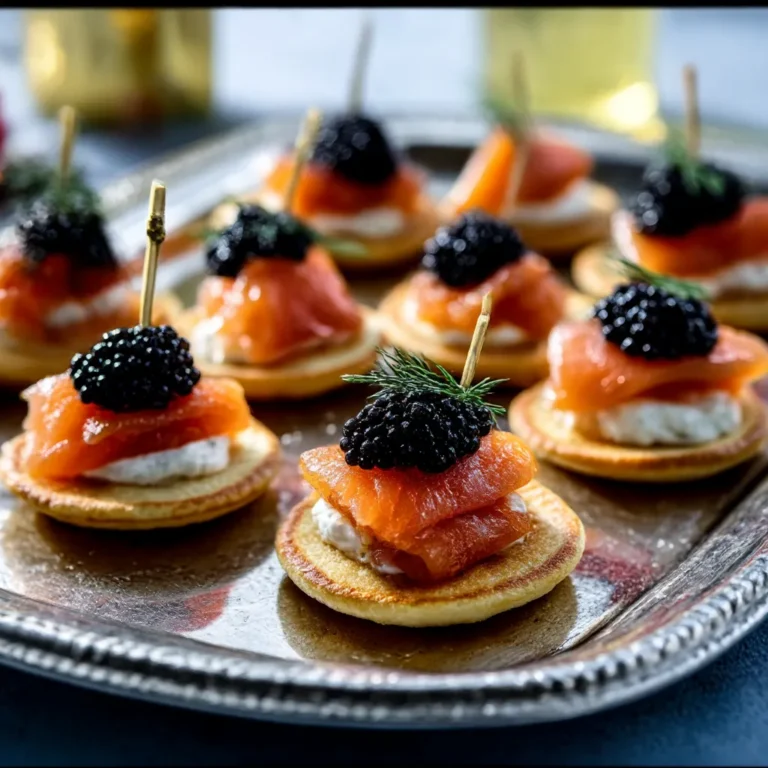
The topping is where you can get creative without going overboard. A single high-quality ingredient often works better than complicated combinations. Smoked salmon, a perfect cherry tomato, a few pomegranate seeds, a thin slice of prosciutto—these don’t need much help. The mistake I see most often is over-layering, where every element competes instead of complementing.
Recipes That Never Fail
Caprese Skewers with Balsamic Reduction
The genius of these is their stability. Thread cherry tomatoes, small mozzarella balls, and fresh basil leaves onto short skewers or toothpicks, then drizzle with a balsamic reduction right before serving. I used to make fresh balsamic reduction every time until I discovered that a good quality store-bought one works just as well—your time is worth something too.
The key detail nobody mentions: dry your tomatoes and mozzarella thoroughly before assembling. Any water creates a sad little puddle on your serving plate. Also, don’t refrigerate assembled skewers for more than two hours or the basil starts looking tragic.
Smoked Salmon Cucumber Rounds
Slice English cucumbers about half an inch thick—any thinner and they’re flimsy, any thicker and they’re awkward to eat. Pat them completely dry (I use paper towels and actually press down), then pipe or spread a small amount of cream cheese mixture on each round. I mix my cream cheese with fresh dill, lemon zest, a tiny bit of horseradish, and a pinch of salt.
Top with a small piece of smoked salmon and a tiny sprig of dill. What makes these exceptional is the quality of the salmon—this is not the place to economize. I buy from a local fish market now, but when I was on a tighter budget, Costco’s smoked salmon was my secret weapon.
Prosciutto-Wrapped Melon
This is so simple it barely counts as a recipe, but I’m including it because the ratios matter more than people think. You want about a one-inch cube of cantaloupe or honeydew, wrapped with a piece of prosciutto that’s roughly one-third the size of the melon. Too much prosciutto overwhelms; too little fails to provide that salty contrast.
The melon must be ripe but firm—if it’s too soft, it falls apart when picked up. I prep these no more than an hour before serving because prosciutto gets weirdly wet if it sits on melon too long. A tiny drizzle of honey or balsamic brings it up another level, though I usually skip it because honestly, good melon and good prosciutto need very little help.
Deviled Eggs with Everything Bagel Seasoning
I spent years perfecting my deviled egg technique, and here’s what actually matters: eggs that are 7-10 days old peel better than fresh ones (this goes against every instinct but it’s absolutely true), and you need to cool them rapidly in an ice bath immediately after cooking. Boil for exactly 10 minutes for medium eggs, 12 for large.
My filling ratio is roughly two parts yolk to one part mayonnaise, with a good squeeze of Dijon mustard, a dash of white vinegar, salt, and white pepper. The white pepper is non-negotiable—black pepper looks like dirt in the filling. Pipe it back into the whites using a large star tip (or just spoon it if you’re not feeling fancy), then top with everything bagel seasoning.
These disappeared so fast at my last party that someone asked if I’d actually put any out. I now make at least three dozen for any gathering over ten people.
Mediterranean Stuffed Cherry Tomatoes
Cut the tops off cherry tomatoes and scoop out the insides using a small melon baller or even just your pinky finger—elegance not required here. Let them drain upside down on paper towels for at least twenty minutes. This step is crucial; skip it and you’ll have watery stuffed tomatoes that leak all over the serving platter.
Fill them with a mixture of crumbled feta, finely diced cucumber, minced olives (I prefer Kalamata), fresh oregano, a drizzle of olive oil, and a whisper of garlic. Not too much garlic—you’re filling tiny tomatoes, and garlic can easily take over. These taste better if you make them a few hours ahead and let the flavors meld in the refrigerator.
Assembly Strategies That Save Your Sanity
The biggest mistake I made early on was trying to make everything from scratch the day of the party. Now I break things down ruthlessly. Three days before, I make any dips or spreads that improve with age. Two days before, I prep vegetables and store them properly (damp paper towels in sealed containers for most things). The day before, I cook any proteins, toast crostini, and set up my serving platters so I know exactly where everything goes.
Morning of the party, I do final assembly of anything that can sit for a few hours. Thirty minutes before guests arrive, I finish the truly last-minute items. This system keeps me from becoming that frazzled host who’s still assembling appetizers an hour into their own party—a look I’ve worn too many times to repeat.
I also learned to embrace repetition over variety. Three or four really good options beat eight mediocre ones. People appreciate quality over quantity, and you’ll appreciate having time to brush your hair before the doorbell rings.
What Nobody Tells You
The serving vessel matters more than it should. Food arranged on a beautiful wooden board always looks more appealing than the same food on a plain white platter. I collect various boards and slate pieces from thrift stores for this reason—they don’t need to match, they just need to look intentional.
Garnish only right before serving. That fresh herb garnish you carefully placed at noon will be brown and sad by party time. Trust me on this.
Make twice as much as you think you need of whatever looks easiest to eat with one hand. Those items will vanish first. The adorable but precarious stacked appetizers? People will politely take one and move on. The simple, stable, one-bite options? People will return three times.
And here’s something I wish someone had told me years ago: it’s completely fine to supplement homemade items with high-quality store-bought additions. A beautiful cheese and charcuterie section requires no cooking whatsoever and people love it. Your time and sanity have value. Combine homemade with store-bought strategically, and no one will notice—or care.
The real secret to successful party appetizers isn’t complicated recipes or chef-level techniques. It’s making food that lets people enjoy themselves without thinking too hard about eating logistics. Cold finger foods do exactly that, which is probably why they’re the ones that actually disappear.