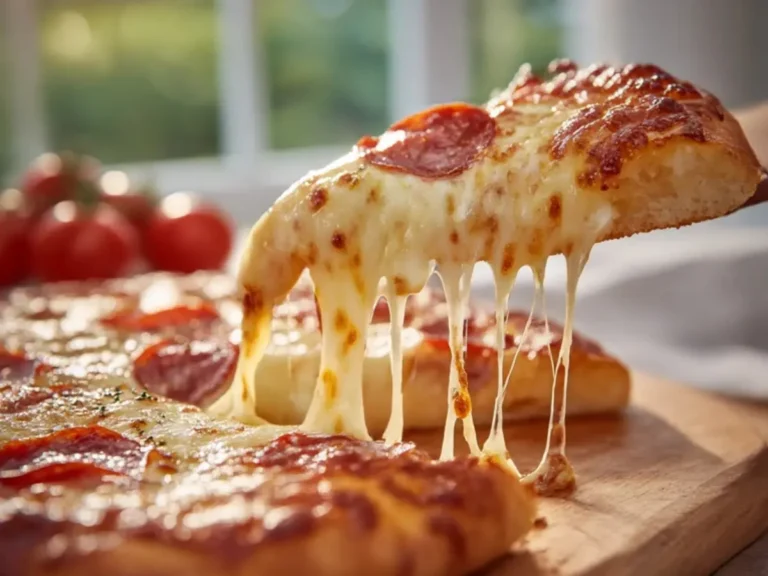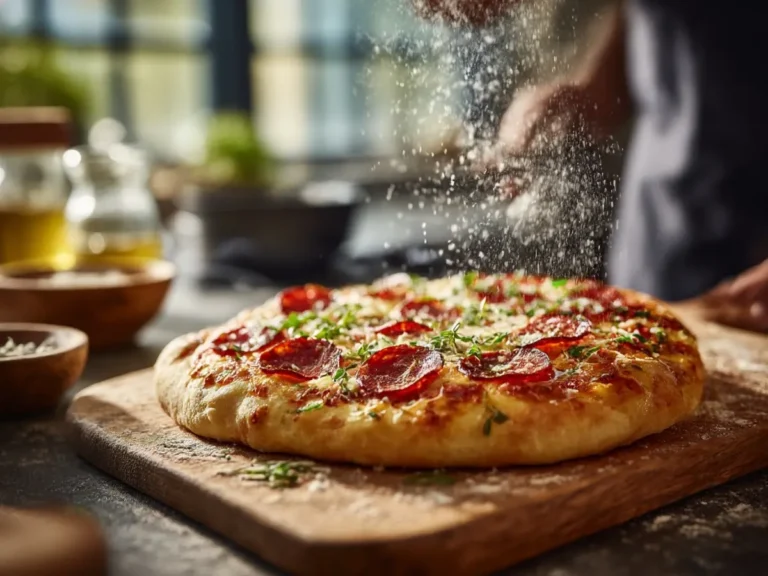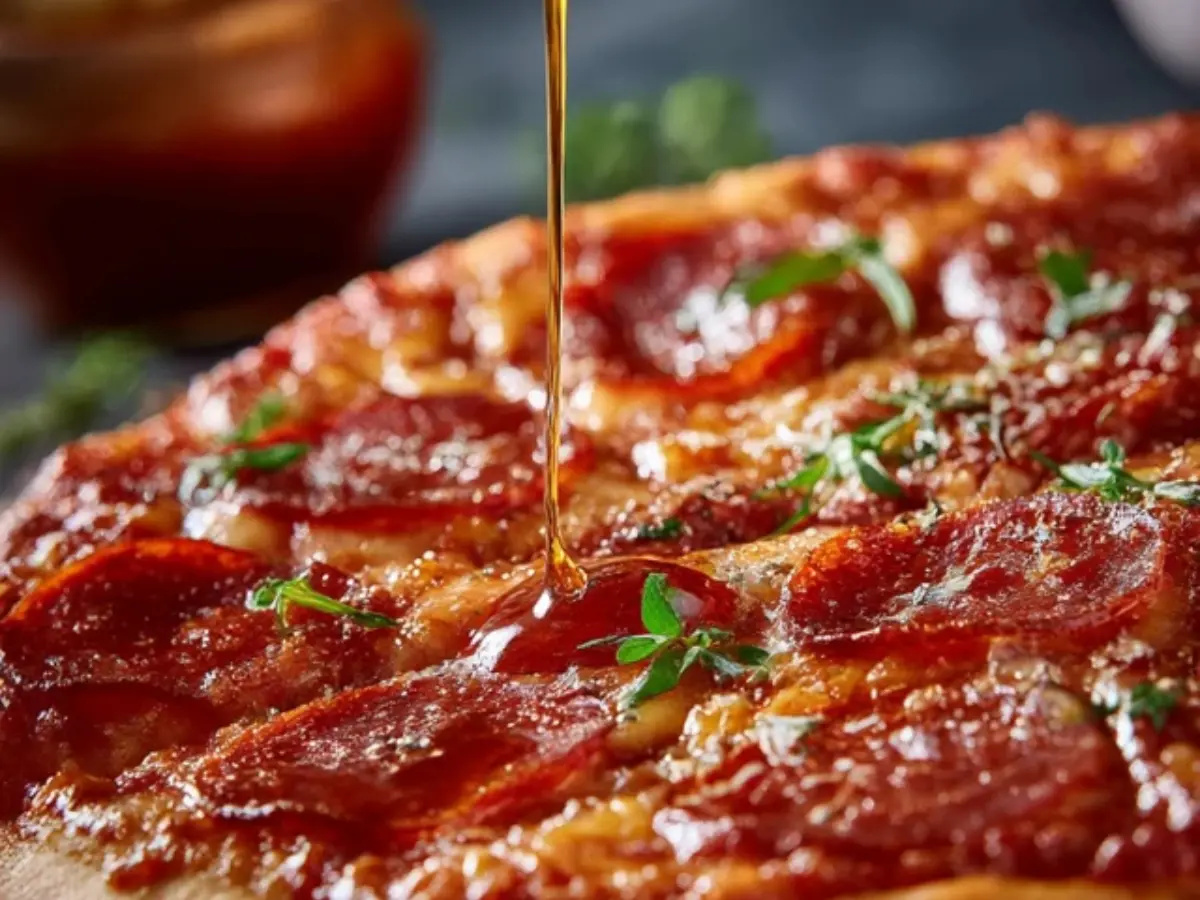
The Simple Truth About Pizza Sauce: Why Fresh Tomatoes Changed Everything for Me
There’s a peculiar alchemy that happens when you simmer good tomatoes with just a handful of ingredients, and it took me longer than I’d like to admit to understand it. I spent years reaching for canned crushed tomatoes every time I made pizza at home—reliable, convenient, the professional standard. Then one August afternoon in 2019, a friend showed up at my door with a box of heirloom tomatoes from his garden, the kind so ripe they were threatening to split their skins, and asked if I wanted them before they went bad. I made pizza sauce that evening just to use them up.
That sauce—barely cooked, bright and alive—made me reconsider everything I thought I knew about pizza.
When Tomatoes Became Pizza’s Foundation
The marriage of tomatoes and pizza is surprisingly recent in the grand scope of food history. Pizza existed for centuries as a flatbread situation, topped with whatever was cheap and available—often just oil, garlic, and herbs. It wasn’t until the late 18th century in Naples that tomatoes, which Europeans had been suspicious of for generations, finally made their way onto pizza. The Neapolitans, never ones to waste a good ingredient, discovered that tomatoes grown in the volcanic soil around Mount Vesuvius had this perfect balance of sweetness and acidity that could cut through olive oil and stand up to high heat.
What started as peasant food eventually became the template for what most of us consider “real” pizza sauce—San Marzano or similar plum tomatoes, barely cooked or not cooked at all, seasoned simply. I’ve stood in pizzerias in Naples where the sauce prep consisted of crushing whole tomatoes by hand, adding a pinch of salt, and calling it done. The reverence for the tomato itself was almost religious.
The American version evolved differently. When Italian immigrants brought pizza to New York and beyond, they adapted to what was available—often canned tomatoes that needed longer cooking to concentrate their flavors and reduce moisture. Both approaches work. Both have their devoted followers. But understanding where you fall in this spectrum starts with understanding your tomatoes.
The Fresh Tomato Revelation
Here’s what I’ve learned from years of testing this: fresh tomatoes make extraordinary pizza sauce, but only when conditions align. You need tomatoes at peak ripeness—not the hard, pale things you find in supermarkets in February, but summer tomatoes that smell like summer, that feel heavy for their size, that give slightly when you press the stem end.
The variety matters more than I initially thought. Roma tomatoes and other paste varieties have lower moisture content and fewer seeds, which means your sauce won’t turn your pizza into a soggy mess. I’ve had good results with San Marzano-style tomatoes, but honestly, any meaty plum tomato works if it’s ripe. Cherry tomatoes can be brilliant too—they’re often sweeter and more flavorful than larger varieties—you just need more of them.
My basic method barely qualifies as cooking. I core the tomatoes, cut them in half, and squeeze out most of the seeds over the sink. This part always feels slightly brutal, but those seeds carry a lot of the moisture that can make your pizza watery. Then I roughly chop them—some people blend them smooth, but I like a bit of texture—and add good olive oil, a crushed garlic clove, salt, and maybe some torn basil if I’m feeling traditional. Sometimes I cook this for ten minutes to marry the flavors. Sometimes I don’t cook it at all.
The trick that changed everything for me was salting the chopped tomatoes and letting them drain in a colander for thirty minutes before making the sauce. The salt pulls out excess liquid, concentrating the tomato flavor and preventing that soggy-crust situation that haunts mediocre homemade pizza. Professional pizza makers know this instinctively—moisture is the enemy of a crisp crust.
One pro tip from my restaurant days: taste your tomatoes before you start. If they’re perfectly sweet and balanced, you need almost nothing. If they’re a bit acidic, a tiny pinch of sugar (I know, I know) can round things out without making the sauce sweet. If they’re bland—and let’s be honest, sometimes even summer tomatoes disappoint—this might be the time to reach for that can of San Marzanos instead.
What Makes Sauce Actually Work on Pizza
I used to think pizza sauce needed to be complex, layered with herbs and slow-cooked like marinara. Then I spent a week working in a Brooklyn pizza place where the “sauce” was literally crushed canned tomatoes with salt. That’s it. And it was perfect because the pizza itself provided all the other flavors—the char from the oven, the richness of the cheese, the aromatic punch of good olive oil.
Fresh tomato sauce follows the same philosophy, just with different characteristics. It tends to be brighter, more acidic, sometimes almost fruity depending on the variety. It doesn’t have that deep, concentrated sweetness of long-cooked canned tomatoes, but it has this immediate vitality that makes me think of eating pizza al fresco, which is probably exactly when you should be using fresh tomatoes anyway.
The consistency needs consideration. Pizza sauce should spread easily but not run. With fresh tomatoes, this means you’re looking for something closer to a chunky puree than a soup. If I blend the tomatoes instead of chopping them, I pulse just until broken down—maybe five or six quick pulses. Over-blending incorporates air and makes the sauce foamy, which sounds minor but actually affects how it bakes.
I’ve experimented with roasting fresh tomatoes first, which concentrates their sugars and adds a subtle smoky depth. Cut them in half, toss with olive oil and salt, roast at 400°F for about 30 minutes until they’re starting to caramelize at the edges. Then crush them roughly. This works particularly well if your tomatoes are good but not great—the roasting compensates for any lack of inherent flavor. It’s more work, admittedly, but there are worse ways to spend a Saturday afternoon than making your kitchen smell like roasting tomatoes.
Why I Keep Coming Back to This
What strikes me most about making pizza sauce from fresh tomatoes is how it forces you to pay attention to the seasons. You can’t make this sauce year-round and expect consistent results, which feels almost radical in our everything-available-always food culture. August and September are the sweet spot where I live. By October, I’m back to canned tomatoes without apology.
There’s something deeply satisfying about using truly fresh ingredients at their peak, even for something as casual as homemade pizza. A few summers ago, I made pizza for friends using tomatoes from a farmers market, mozzarella from a local dairy, and basil from the pot on my balcony. The sauce was barely cooked, just crushed tomatoes with salt and olive oil. It wasn’t the best pizza I’ve ever made from a technical standpoint—my oven isn’t hot enough, my dough technique has improved since then—but everyone remembered it. That freshness, that sense of place and time, made it memorable in a way that perfect execution sometimes doesn’t.
I’ve also learned to stop being precious about this. Not every pizza needs fresh tomato sauce. Sometimes canned is better—more convenient, more consistent, and honestly, more traditional for certain styles. New York slice shops use canned. Most of Italy uses canned. Fresh tomatoes are a variation, not a mandate, and treating them as such makes the whole thing more enjoyable.
The real shift in my thinking came from understanding that pizza sauce isn’t a recipe to follow perfectly—it’s a ratio, a concept, a framework that changes based on your ingredients and what you want from your pizza. Fresh tomatoes in summer, quality canned in winter, each approached with respect for what they bring to the table.
That box of heirloom tomatoes my friend brought over got turned into four different batches of pizza that week, each one a little different as I experimented. One was cooked, one raw, one with roasted garlic, one with a hint of oregano. They were all good. They all worked. And now every summer when tomatoes peak, I find myself making pizza not because I need another dinner idea, but because I want an excuse to make that sauce again, to capture that particular moment of ripeness before it passes. That seems like exactly the right reason to cook anything.